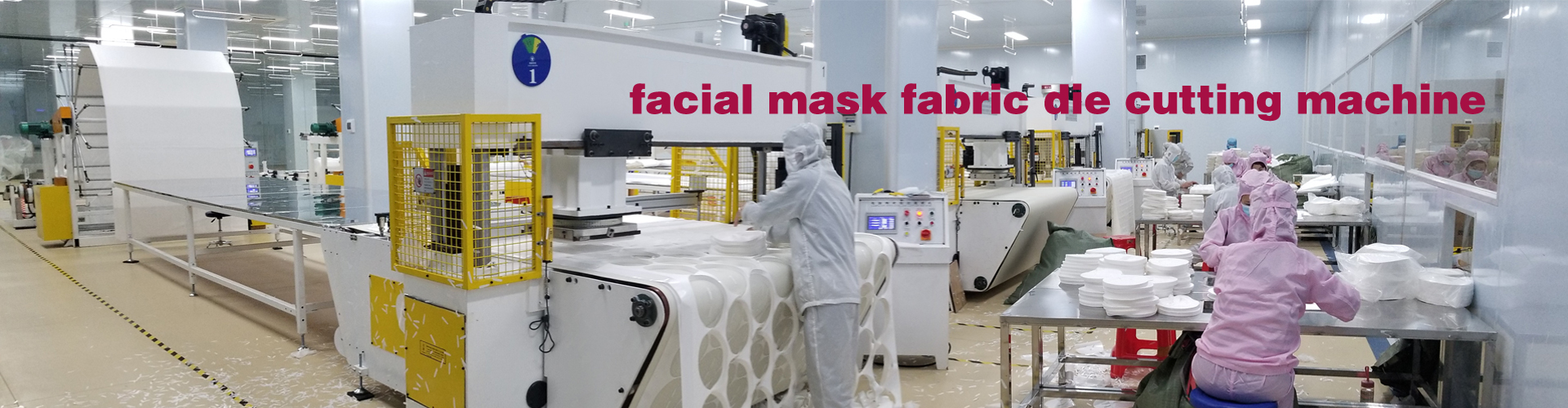
What should I do if the EPE foam cutting machine has insufficient pressure but the oil pump is running normally?
"Insufficient pressure while the oil pump is running normally" is a very typical fault phenomenon for EPE foam cutting machines. Since the oil pump motor is running, it indicates that the power supply and main control circuit are basically normal. The problem is most likely in the oil suction link or internal leakage within the hydraulic circuit.
1. Start with the simplest checks: Hydraulic oil level and filter screen blockage
Oil pump "idling" is the most easily overlooked cause of insufficient pressure. Even if the oil pump is running, it cannot build pressure if it is not drawing in oil.
Inspection Method:
Check if the oil level in the tank is below the filter screen. If the oil level is too low, the pump will draw in air.
A clogged filter screen will hinder the pump's ability to draw oil. This manifests as insufficient pressure, possibly accompanied by abnormal noise.
Solution: Top up with #46 anti-wear hydraulic oil to above the middle mark on the oil gauge; remove the filter screen for cleaning or replacement.
2. Primary Suspect: Relief Valve (Pressure Regulating Valve) Failure
The relief valve is the core component for controlling system pressure. A stuck or worn valve spool is the most common cause of insufficient pressure. When the oil pump is normal but pressure cannot build, this should be the first place to check.
Inspection Method:
Attempt to readjust the relief valve pressure to see if there is any change in pressure.
If adjustment is ineffective or the pressure fluctuates significantly, it usually indicates a stuck or worn spool, or a failed spring.
Solution: Remove the relief valve spool for cleaning, removing burrs or dirt; if the spool is severely worn or the spring has failed, replace the entire relief valve assembly.
3. Internal Leakage in the Solenoid Valve
Wear on the solenoid valve spool or poor sealing can cause internal leakage, allowing pressure oil to flow directly back to the tank without reaching the cylinder. This type of leakage is invisible from the outside and easily misjudged.
Inspection Method:
Listen for a crisp "click" sound when the solenoid valve operates.
Raise the upper worktable to its highest position, then shut down the machine and observe if it noticeably slides down. If it slides down, it indicates internal leakage in the system.
When pressurizing, feel if the solenoid valve body is abnormally hot (internal leakage causes heat generation from oil friction).
Solution: Attempt to fix by cleaning the spool; for equipment over three years old, it is recommended to replace the solenoid valve directly.
4. Aging Cylinder Seals (Hardest Internal Leakage to Detect)
If the piston seal inside the cylinder is damaged, pressurized oil will leak from the upper chamber directly into the lower chamber and return to the tank. No matter how hard the pump works, pressure cannot be built. This is the most difficult fault to diagnose because it is completely invisible from the outside.
Inspection Method:
Raise the upper worktable to its highest position, then shut off the power and observe if the worktable automatically slides down.
Prerequisite: This assumes that the possibility of solenoid valve or external pipe leakage has been ruled out; otherwise, sliding could be caused by solenoid valve internal leakage.
A more accurate method: Remove the oil pipe from the rod-side chamber of the cylinder and pressurize to see if oil continuously flows out.
Solution: Replace the cylinder seals (it is recommended this be done by a professional).
5. External Oil Leak Inspection
External leaks are relatively easy to find, but small leaks are often overlooked. Accumulated over time, they can also lead to a pressure drop.
Inspection Method: Check the cylinder piston rod area, all oil pipe connections, and valve body mating surfaces for any signs of oil seepage.
Solution: Tighten loose fittings; replace aging oil seals or gaskets.
1. Start with the simplest checks: Hydraulic oil level and filter screen blockage
Oil pump "idling" is the most easily overlooked cause of insufficient pressure. Even if the oil pump is running, it cannot build pressure if it is not drawing in oil.
Inspection Method:
Check if the oil level in the tank is below the filter screen. If the oil level is too low, the pump will draw in air.
A clogged filter screen will hinder the pump's ability to draw oil. This manifests as insufficient pressure, possibly accompanied by abnormal noise.
Solution: Top up with #46 anti-wear hydraulic oil to above the middle mark on the oil gauge; remove the filter screen for cleaning or replacement.
2. Primary Suspect: Relief Valve (Pressure Regulating Valve) Failure
The relief valve is the core component for controlling system pressure. A stuck or worn valve spool is the most common cause of insufficient pressure. When the oil pump is normal but pressure cannot build, this should be the first place to check.
Inspection Method:
Attempt to readjust the relief valve pressure to see if there is any change in pressure.
If adjustment is ineffective or the pressure fluctuates significantly, it usually indicates a stuck or worn spool, or a failed spring.
Solution: Remove the relief valve spool for cleaning, removing burrs or dirt; if the spool is severely worn or the spring has failed, replace the entire relief valve assembly.
3. Internal Leakage in the Solenoid Valve
Wear on the solenoid valve spool or poor sealing can cause internal leakage, allowing pressure oil to flow directly back to the tank without reaching the cylinder. This type of leakage is invisible from the outside and easily misjudged.
Inspection Method:
Listen for a crisp "click" sound when the solenoid valve operates.
Raise the upper worktable to its highest position, then shut down the machine and observe if it noticeably slides down. If it slides down, it indicates internal leakage in the system.
When pressurizing, feel if the solenoid valve body is abnormally hot (internal leakage causes heat generation from oil friction).
Solution: Attempt to fix by cleaning the spool; for equipment over three years old, it is recommended to replace the solenoid valve directly.
4. Aging Cylinder Seals (Hardest Internal Leakage to Detect)
If the piston seal inside the cylinder is damaged, pressurized oil will leak from the upper chamber directly into the lower chamber and return to the tank. No matter how hard the pump works, pressure cannot be built. This is the most difficult fault to diagnose because it is completely invisible from the outside.
Inspection Method:
Raise the upper worktable to its highest position, then shut off the power and observe if the worktable automatically slides down.
Prerequisite: This assumes that the possibility of solenoid valve or external pipe leakage has been ruled out; otherwise, sliding could be caused by solenoid valve internal leakage.
A more accurate method: Remove the oil pipe from the rod-side chamber of the cylinder and pressurize to see if oil continuously flows out.
Solution: Replace the cylinder seals (it is recommended this be done by a professional).
5. External Oil Leak Inspection
External leaks are relatively easy to find, but small leaks are often overlooked. Accumulated over time, they can also lead to a pressure drop.
Inspection Method: Check the cylinder piston rod area, all oil pipe connections, and valve body mating surfaces for any signs of oil seepage.
Solution: Tighten loose fittings; replace aging oil seals or gaskets.