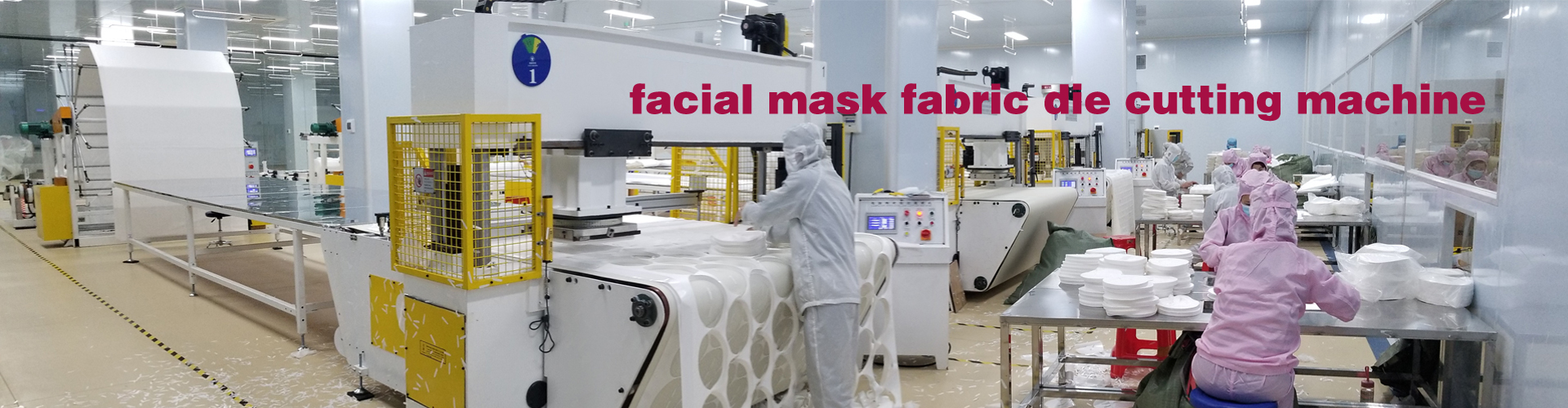
How to adjust pressure on hydraulic swing arm cutting machine
In the processing of leather, rubber, foam, cardboard, and other materials, the hydraulic swing arm cutting machine is widely used for its flexible operation and precise cutting. In actual production, how to adjust the cutting pressure is a key factor affecting cutting quality and mold life. This article outlines the pressure adjustment method and key safety precautions.
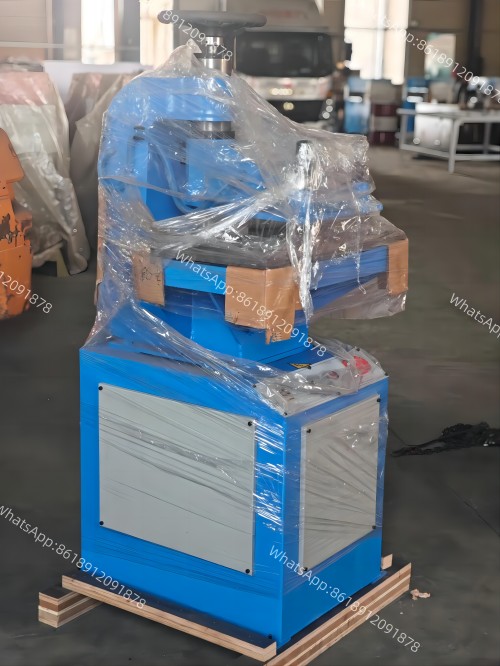
一. Why hydraulic Adjust Cutting Pressure
Different materials, thicknesses, layers, and molds require different cutting pressures:
- Pressure too low: Material cannot be cut through completely, resulting in rough edges or uncut sections.
- Pressure too high: Can damage the mold, accelerate wear on the cutting pad, and affect the hydraulic system's lifespan.
Mastering pressure adjustment is essential for ensuring cutting quality and stable equipment operation.
二.hydraulic swing arm cutting machine Pressure Adjustment Steps
Most hydraulic swing arm cutting machines use a pressure relief valve for pressure control. The general procedure is as follows:
Step 1: Preparation- Ensure the machine is stopped and power is disconnected.
- Check that the hydraulic oil level is normal.
- Prepare the material, mold, and test pieces (e.g., cardboard).
Step 2: Locate the Pressure Adjustment Device
The pressure relief valve is typically located:
- Above the hydraulic power unit
- On the side of the control box
- Or as a knob on the machine body
三、hydraulic swing arm cutting machine Common adjustment types:
- Handwheel: Turn clockwise to increase pressure, counterclockwise to decrease.
- Knob: Rotate to adjust (may have a scale).
Step 3: No-Load Test Run
Start the machine and run the swing arm 2–3 times without load. Check for stable operation, unusual noise, or oil leaks.
Step 4: Initial Pressure Setting
Turn the valve to a lower pressure (e.g., about 60% of rated pressure). Place the material and mold for a trial cut.
Step 5: Gradually Increase Pressure
- Make small adjustments (about 1/4 turn each time) and test cut.
- Observe the result: the material should be cut cleanly in one stroke, with a smooth edge and no visible impressions.
- Repeat until the desired cutting effect is achieved.
Step 6: Lock the Pressure
If a locking nut is present, tighten it after adjustment to prevent pressure drift due to vibration.
四. Safety Precautions
1. Disconnect power before adjusting the pressure relief valve.
2. Do not exceed rated pressure (typically 20–30 tons) to avoid damaging the machine.
3. Keep hands away from the mold and cutting area during trial cuts; use two-hand startup devices when available.
4. Perform regular maintenance: Check hydraulic oil quality and valve sensitivity every 3–6 months.
五. Conclusion
Mastering pressure adjustment not only improves cutting quality but also extends the life of molds and equipment. Operators should fine-tune pressure based on material characteristics and cutting results, and keep a pressure record for future reference.
If problems arise that cannot be resolved, contact the equipment manufacturer or a professional technician for inspection.