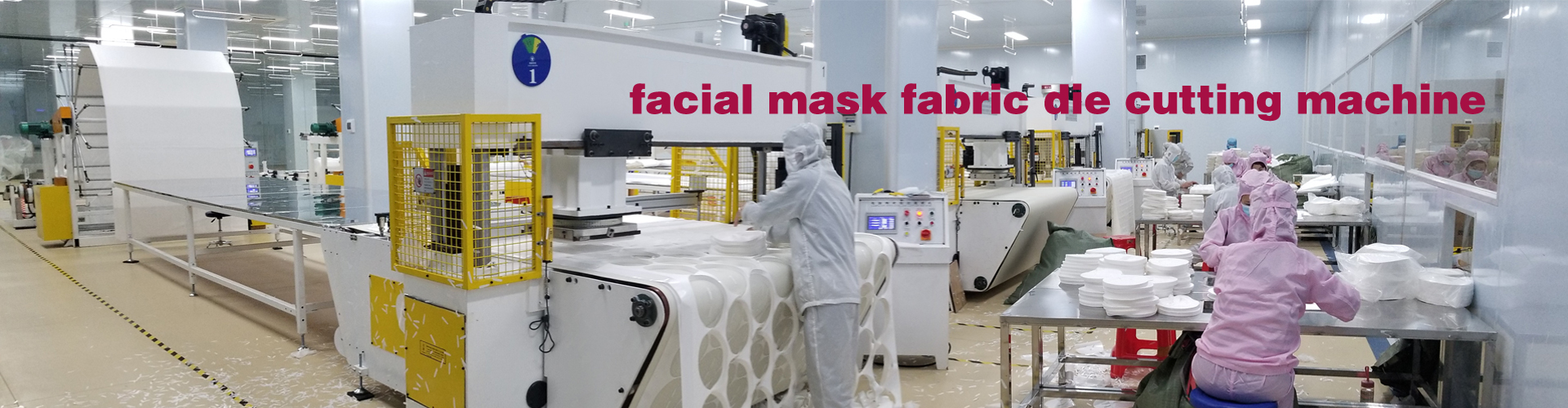
How to Choose the Tonnage of Die Cutting Machine
The selection of cutting‑out‑machine tonnage is calculated chiefly according to material thickness, material hardness and the cutting area of the die, and higher tonnage is not always preferable. The common estimation formula is die perimeter × 8 = required tonnage. For thick, hard or multi‑layer materials, adopt die perimeter × 10 to achieve thorough and stable cutting.
Five Core Advantages
-
Calculate cutting‑out pressure based on die perimeterMachine pressure serves mainly to overcome resistance generated when the die blade penetrates raw materials. Longer die perimeter calls for greater pressure. During equipment selection, you may work out the basic tonnage with the formula "die perimeter × 8" for reliable reference.
-
Raise the pressure coefficient for thick‑gauge materialsCutting resistance varies between different work‑pieces. Thick foam, rubber and composite materials demand stronger cutting force. Work out tonnage by die perimeter × 10 for thick materials to reserve sufficient pressure and prevent incomplete cutting and repeated stamping.
-
Material thickness dictates required machine pressureLow pressure is required for thin‑gauge stock including leather, fabric and thin sponge. Higher‑tonnage machinery is necessary for thick EVA sheets, rubber plates and multi‑layer automotive interior materials. Matching machine pressure to material thickness guarantees clean cutting and less equipment wear.
-
Larger cutting‑out area needs higher tonnageFor one single type of material, required pressure alters with die dimensions. Small‑size work‑pieces can be processed on 30‑60‑ton cutting‑out machines, while large‑scale cutting for automotive interior trims, carpets and headliners requires 100‑300‑ton hydraulic cutting‑out machines.
-
Reserve spare pressure for enhanced production stabilityIt is inadvisable to buy equipment strictly matching the computed tonnage. Keep a 10%‑30% pressure margin. For instance, pick a 100‑ton machine when your computed requirement equals 80 tons. The spare pressure accommodates material property changes, die wear and future capacity expansion.
Reference Table for Cutting‑Out‑Machine Tonnage Selection
| Processed Material | Calculation Formula | Recommended Tonnage |
|---|---|---|
| Leather, fabric, thin foam | Perimeter × 8 | 20‑60 tons |
| EVA, sponge, packaging supplies | Perimeter × 8‑10 | 50‑120 tons |
| Rubber, sealing parts, composite materials | Perimeter × 10 | 100‑200 tons |
| Automotive interior materials | Perimeter × 10 | 100‑300 tons |
| Thick multi‑layer stock | Perimeter × 10 plus spare pressure | Over 200 tons |
Six Frequently‑Asked‑Questions & Answers
Q1: How to calculate the required tonnage for a cutting‑out machine?
Base your calculation on die perimeter. The primary formula reads die perimeter × 8 = required tonnage. Use die perimeter × 10 for thick, hard‑to‑cut or multi‑ply materials to secure adequate stamping pressure.
Q2: Why is die perimeter adopted for tonnage computation?
Machine cutting pressure acts primarily on the blade edge of the cutting die. A longer cutting‑edge length means larger material‑cutting resistance, which makes die perimeter the vital indicator for pressure computation.
Q3: Does thicker material always need a higher‑tonnage machine?
Yes. Thicker stock brings greater resistance against blade penetration. Thin woven fabric may only require moderate pressure, yet thick EVA, rubber and automotive interior composites call for heavy‑duty high‑tonnage equipment.
Q4: Why are different tonnages suitable for the same raw‑material type?
Required pressure is determined not merely by material traits, but also by die size, workpiece dimension, layout scheme and the number of stacked cutting layers. Noticeable pressure gaps exist between small‑sized and large‑sized dies for one identical material.
Q5: What troubles are brought by insufficient machine pressure?
Inadequate tonnage will result in incomplete cutting, rough trimmed edges, repeated stamping, low‑speed production and compromised dimensional precision of finished goods.
Q6: Am I supposed to purchase a machine matching my calculated tonnage exactly?
This practice is not recommended. Keep a 10%‑30% pressure reserve for daily manufacture. A 100‑ton unit is preferred when your computed requirement reaches 80 tons. It stabilizes machine operation and adapts to forthcoming adjustments in work‑pieces and raw materials.