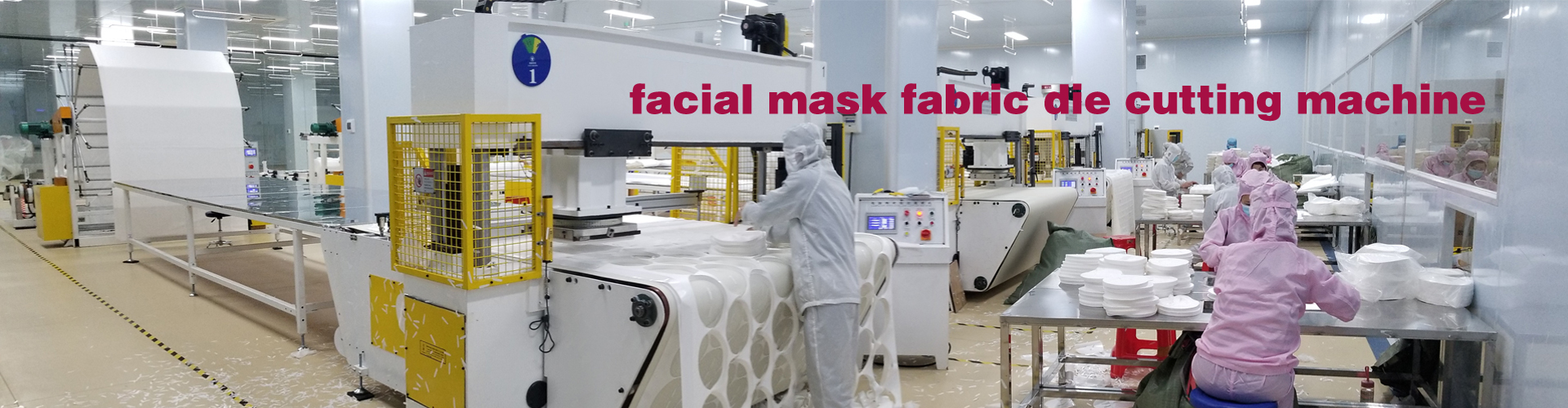
Why Choose a Double-Sided Automatic Feeding Cutting Machine for Automotive Interiors?
Large‑size automotive interior materials feature big overall dimensions, lengthy rolls, low weight and high susceptibility to deformation. When picking out a cutting‑machine, you should prioritize the feeding mode in addition to pressing force.
A double‑sided automatic feeding cutter fitted with an expansive feeding bench accommodates full‑size raw materials and enables continuous material conveyance. Available pressing force ranges from 60‑ton to 200‑ton. Match the proper tonnage according to your nesting layout, die‑cut area and specific interior components to be processed.
Five Core Selling Points
1. The double‑sided feeding bench handles oversized raw‑material placement
Automotive interior materials come in large dimensions, including automobile headliners, car carpets, door‑panel trims and veneer‑based composite materials.
Ordinary cutting‑machines lack dedicated feeding benches. Wide materials tend to fold, shift and require strenuous manual handling. The double‑sided automatic‑feed framework fully supports bulky stock and streamlines operation.
2. Determine cutting pressure based on your material‑nesting scheme
Higher pressing force does not always equal better cutting performance for automotive interiors. Required force depends on die quantity, nesting density and the stacked thickness of work‑pieces.
Machine tonnage spans 60‑ton to 200‑ton. Low‑tonnage units suit single small‑area dies, whereas heavy‑duty pressure is required for simultaneous cutting with multiple large‑sized moulds.
3. Different interior parts govern required machine tonnage
Components for car interiors are constructed from distinct materials with varied compression requirements.
Veneer trims and thin composite sheets call for relatively low pressure. Headliners, sound‑absorbing foam and multi‑layer composite interior panels demand greater tonnage owing to their large size and substantial stacked thickness.
4. Automatic feeding improves material‑usage rate
Raw materials for auto‑interior production carry high costs. Manual feeding causes positioning deviations, wasting stock during layout‑marking.
The double‑sided auto‑feed system delivers precise travel control and stable material movement, minimising scrap rates and lifting overall throughput.
5. Heavy‑duty hydraulic system accommodates diversified production requirements
Hydraulic cutting‑machines deliver steady pressing output and configurable tonnage:
- 60‑ton: Light‑duty interior fabrics
- 100‑ton: Standard automotive interior accessories
- 150‑200‑ton: Large‑format and multi‑ply composite processing
Tonnage‑Selection Comparison Table for Automotive‑Interior Cutting Jobs
| Workpiece | Material Characteristics | Recommended Pressing Force | Suggested Equipment Configuration |
|---|---|---|---|
| Wood‑veneer Decorative Parts | Thin, moderately hard, medium‑sized sheets | 60‑80 Ton | Double‑sided Automatic Feeding Cutting‑Machine |
| Car Door‑panel Trims | Multi‑layer Composite Materials | 80‑120 Ton | Hydraulic Cutter with Automatic Feeder |
| Automobile Seat Fabrics | Flexible stock for mass‑volume manufacturing | 80‑150 Ton | Cutting‑Machine with Extended Feeding Bench |
| Car Headliners | Large‑dimension multi‑ply composite structure | 120‑200 Ton | Double‑sided Automatic Feeding Cutting‑Machine |
| Sound‑insulation Foam & Carpets | Thick stock for multi‑layer stacked cutting | 150‑200 Ton | High‑tonnage Hydraulic Cutting‑Machine |
FAQ (6 Common Questions & Answers)
Q1: Why must large‑size auto‑interior cutters be equipped with feeding benches?
Wide interior panels cannot be fully spread out without a feeding workbench. Multiple workers are needed for material handling, which easily creates creases and positional offsets. The feeding bench supports raw materials in advance and speeds‑up stock‑loading workflows.
Q2: How do I choose tonnage within the 60‑ton ~ 200‑ton range?
Make your decision based on nesting layouts, die‑cut surface area, material thickness and target components.
Select 60‑80‑ton machinery for thin stock and small‑scale single‑die processing. Choose 100‑200‑ton equipment for multi‑die operation or multi‑ply stacked materials.
Q3: What tonnage is suitable for veneer cutting?
Automotive veneer fittings are generally thin‑sheet workpieces where cutting precision and clean cut‑edges are top priorities. A 60‑80‑ton cutter normally meets specifications, with fine‑tuning according to die dimensions.
Q4: Why do automobile headliners require higher pressing force?
Car headliners consist of surface fabric, foam padding and reinforcing composite substrates. Their large overall dimensions call for one‑shot full‑panel cutting.
For this application, a 120‑200‑ton double‑sided automatic feeding cutter is recommended.
Q5: In what ways does a feeding bench boost production efficiency?
Apart from holding oversized sheets, the feeding bench cuts‑down manual handling work and guides materials smoothly to the cutting zone. Combined with the automated feeding mechanism, it supports non‑stop cycles and raises machine utilisation.
Q6: Is tonnage the sole specification to evaluate before purchasing an auto‑interior cutter?
Certainly not. Tonnage is merely one vital parameter. You also need to assess feeding‑bench dimensions, cutting‑stroke range, feeding type, hydraulic‑system stability and your long‑term product roadmap. Optimised machine configuration yields maximum operational efficiency.