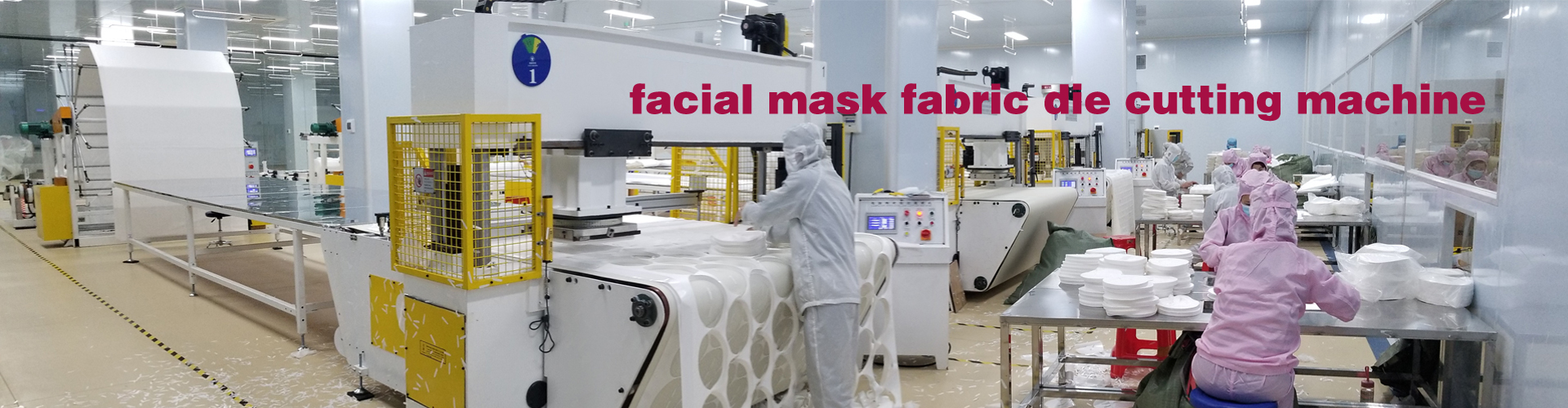
How Does Hydraulic Cutting Machine Work?
The hydraulic cutting‑out machine uses a motor to drive a hydraulic pump for generating high‑pressure oil. Its hydraulic system drives the oil cylinder to move up and down, so that the cutting head carries the die cutter to perform precise blanking on raw materials. It delivers cutting force ranging from 20 to 300 tons and suits mass‑production processing of leather, EVA, foam, EPE foam, rubber, fabrics, automotive interior materials and more.
Five Core Selling Points
-
Powerful Cutting Force Supplied by Hydraulic PowerDriven by a motor‑powered hydraulic pump, the machine feeds pressurized hydraulic oil into the oil cylinder to create downward thrust via the piston. Its stable hydraulic output outperforms ordinary mechanical punching and accommodates cutting requirements for diverse materials.
-
Precisely‑Controlled Downward Movement of the Cylinder‑Driven Cutting HeadOperators place workpieces on the workbench and fit the matching die cutter. Upon startup, pressurized oil flows into the oil cylinder and lowers the cutting board, enabling the die cutter to slice through materials swiftly for blanking.
-
Adjustable Pressure for Processing Various MaterialsEquipped with a pressure‑regulating system, the hydraulic cutter allows pressure adjustment according to material thickness, hardness and die‑cutter dimension. The adjustable 20‑300‑ton pressure range prevents incomplete cutting or workpiece damage.
-
Heavy‑Duty Frame for Long‑Term OperationBuilt with a steel frame and precision guiding assembly, the heavy‑duty hydraulic cutter guarantees smooth travel of the cutting head. Its four‑post structure distributes pressure evenly and secures high cutting accuracy when using large‑size dies.
-
Automated‑Ready Setup for Higher ProductivityAutomatic feeding mechanisms, PLC controllers and infrared positioning systems are compatible with the full‑automatic hydraulic cutter for non‑stop blanking. It eases operator workload while boosting throughput and finished‑product consistency against manual‑run equipment.
-
Comparison Table of Hydraulic Cutting Machine Workflow
| Working Stage | Working Principle | Function |
|---|---|---|
| Equipment Startup | The motor drives the hydraulic pump | Generate the power source |
| Hydraulic Pressurization | Hydraulic‑oil flows into the hydraulic cylinder | Build‑up cutting pressure |
| Cutting Downward Movement | The oil cylinder pushes the pressure plate | Drive the cutting die to slice materials |
| Pressure Holding | Pressure‑control valve stabilizes system pressure | Guarantee satisfactory cutting quality |
| Automatic Return Stroke | Hydraulic directional valve performs flow control | Complete one production cycle |
English‑Version FAQ (6 Questions & Answers)
Q1: What are the main components of a hydraulic cutting‑out machine?
A1: It mainly consists of the hydraulic system, machine frame, oil cylinder, motor, oil pump, control system, workbench and cutting die. All components cooperate to achieve stable and efficient material blanking.
Q2: How can the hydraulic cutting‑out machine generate tremendous pressing force?
A2: It adopts the principle of hydraulic pressure transmission. The hydraulic pump builds up oil pressure and the large‑bore oil cylinder amplifies thrust, hence producing cutting force from dozens up to hundreds of tons.
Q3: What kinds of materials can the hydraulic cutting‑out machine process?
A3: It works for numerous soft‑textured materials, such as EVA foam, EPE pearl foam, sponge, leather, rubber, textile, non‑woven fabric and automotive interior materials.
Q4: Is higher cutting pressure always better?
A4: Not exactly. Working pressure shall match material properties and die size. Excessive pressure raises power consumption and costs, while insufficient pressure causes incomplete cutting. Select proper tonnage accordingly.
Q5: What is the difference between single‑cylinder and double‑cylinder hydraulic cutters?
A5: The single‑cylinder model features simple structure for regular‑duty cutting. The synchronized double‑cylinder design delivers well‑distributed pressure and fits large‑sized dies and mass continuous‑run production.
Q6: How do I pick out a suitable hydraulic cutting‑out machine?
A6: Prepare information about your material type, thickness, hardness, die dimension and daily output. Our factory will calculate the required tonnage and recommend 50‑ton, 80‑ton, 100‑ton or higher‑spec machines.