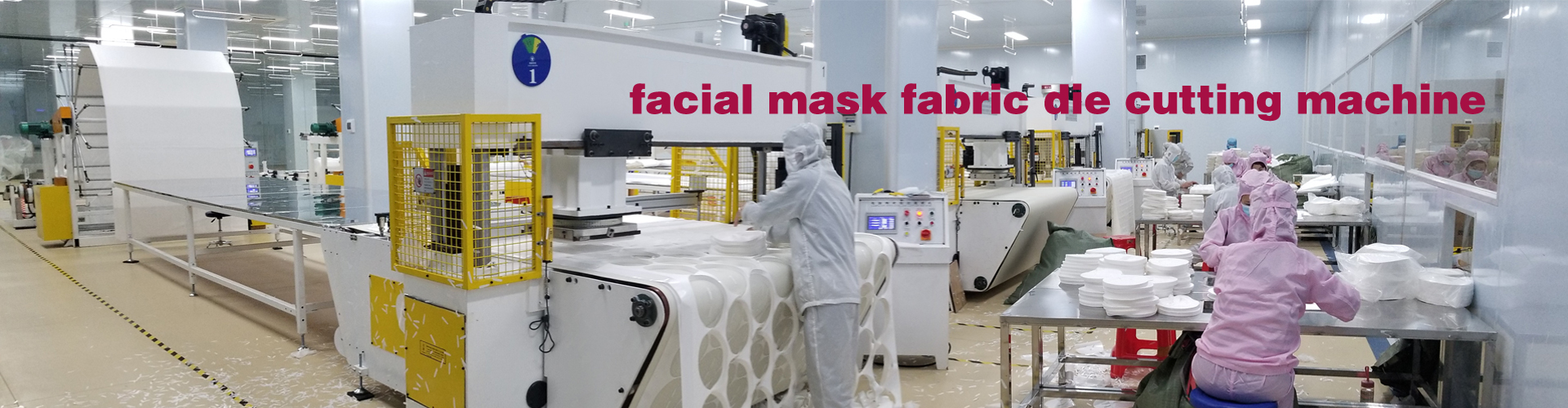
The high‑precision four‑column cutting machine is designed for precision cutting of large‑size, high‑specification materials. Tailored to the processing demands of wide‑format products such as carpets, automotive interiors and composite materials, this machine features a thickened‑steel‑plate frame, synchronized four‑column guidance and a dependable hydraulic system. A 4300 mm ultra‑wide worktable is available on request. It maintains consistent cutting accuracy under 60‑ton pressing force and accommodates long‑hour non‑stop production.
Five Core Advantages
-
Thickened Steel‑Plate Frame for Long‑Term Anti‑deformation Performance
Built for cutting large‑format carpets up to 4300 mm in width, the machine adopts a high‑strength welded steel‑plate frame that undergoes integral machining and stress‑relief treatment to enhance frame rigidity.
The frame stays stable under sustained 60‑ton cutting pressure, minimizing cutting errors triggered by frame deformation and suiting continuous factory‑floor operation.
-
Synchronized Four‑column Structure Improves Large‑format Cutting Accuracy
The four‑column guiding mechanism guarantees smooth movement of the upper pressing plate and evenly distributes cutting force all over the working zone.
Compared with conventional single‑ or dual‑column machines, the four‑column layout excels at processing 4300 mm wide materials and effectively prevents uneven cutting depth and dimensional deviation along material edges.
-
Stable Hydraulic System Enables Precise Pressure Adjustment
Equipped with a high‑reliability hydraulic system, the unit allows working‑pressure tuning according to material thickness and density.
It delivers uniform cutting results for carpets, leather, foam and composites. Problems such as incomplete cutting from insufficient pressure and material crush‑in from excessive pressure can be avoided.
-
High‑precision Machining Guarantees Overall Parallelism
The worktable and pressing plate are precision‑machined to secure parallel vertical travel.
Force spreads evenly during large‑area cutting for superior product dimensional consistency and fewer reworks, which is ideal for mass‑production workflows.
-
Comprehensive Safety Configurations for Industrial‑scale Production
Full‑fitted safety guards ensure safe operation.
Optional attachments include an automatic feeder and custom‑size worktables. Custom‑tailored setups match your production workflow, boost throughput and satisfy automation requirements for factories of all scales.
-
Comparison: Four‑column Cutting Machine vs Ordinary Cutting Machine
-
|
Comparison Item
|
Ordinary Single/Dual‑column Cutting Machine
|
Reinforced Four‑column Cutting Machine (60‑Ton, 4300 mm)
|
|
Frame Stability
|
Stable for small‑scale processing; uneven stress under large‑size workloads
|
Thickened steel‑plate build tolerates long‑time heavy‑duty operation
|
|
Cutting Accuracy
|
Uneven cutting‑depth edges on wide materials
|
Synchronized four‑column guidance delivers uniform cutting results
|
|
Available Processing Size
|
Primarily for medium‑and‑small‑sized stock
|
Custom‑built 4300 mm ultra‑wide worktable supported
|
|
Pressure Regulation
|
Limited adjustable‑pressure range
|
Precise hydraulic pressure control compatible with diverse materials
|
|
Service Life
|
Accuracy declines after prolonged operation
|
Robust structural strength sustains stable long‑run precision
|
FAQ
Q1: Why does a four‑column cutting machine outperform single‑/dual‑column models in cutting accuracy?
Four guide columns synchronize the up‑and‑down travel of the pressing plate and distribute mechanical stress evenly. Even when handling 4300 mm wide stock, pressure deviation is kept low and cutting‑dimension stability is secured.
Q2: What customizable specifications are offered for the four‑column cutting machine?
Pressing force can be customized from 30 tons to 200 tons. You may also tailor the worktable dimension, feeding mode and automated accessories to meet special‑purpose production requirements.
Q3: What are the benefits of the thickened steel‑plate frame?
Heavy‑duty large cutting machines bear high‑tonnage pressure during operation. Insufficient frame rigidity causes deformation over time. The thickened steel‑plate structure improves overall rigidity and slows accuracy degradation after years of use.
Q4: How is consistent cutting quality achieved with the 4300 mm ultra‑wide worktable?
The ultra‑wide variant adopts synchronized four‑column guidance, precision‑finished worktable and stable hydraulic output. Pressure spreads uniformly across the full cutting zone for homogeneous results over large‑area materials.
Q5: What materials suit the 60‑ton cutting machine?
The 60‑ton model processes flexible stock including carpets, automotive interior materials, EVA foam, leather, rubber and packaging materials. Pressure settings are adjustable based on material thickness and hardness.
Q6: Can an automatic feeding system be fitted onto the machine?
Yes. An automatic feeder, conveyor‑style workbench or dual‑sided feeding mechanism is optional. These upgrades facilitate non‑stop production, cut manual labour and raise output capacity.