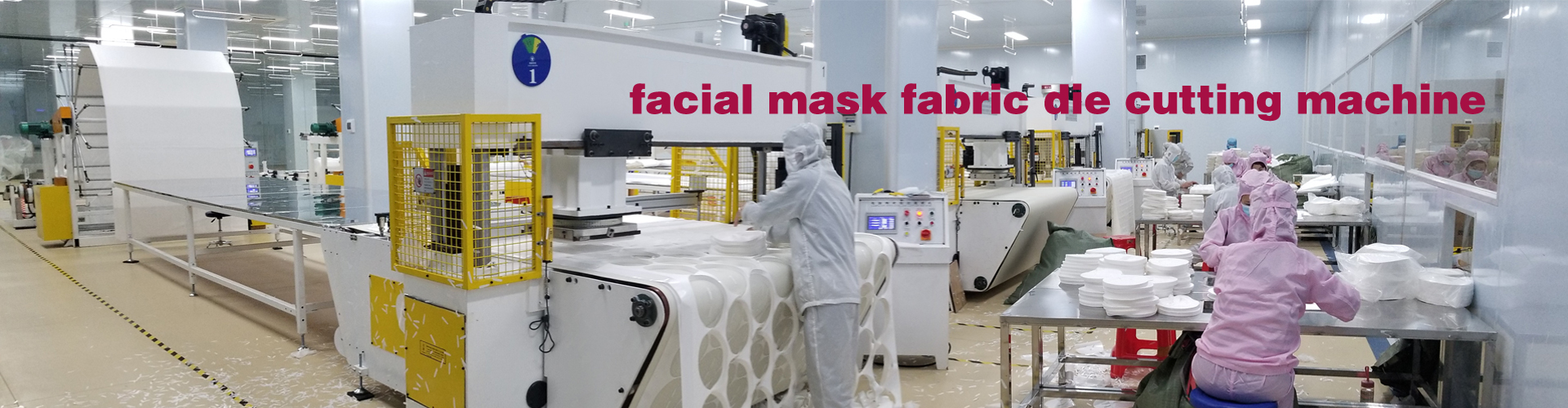
The primary purpose of the‑double‑cylinder layout for a cutting machine is to deliver well‑balanced and stable cutting pressure. It ensures uniform force on both sides of the cutting die, prevents uneven cutting depth caused by eccentric load on single‑cylinder units, and boosts machining precision, productivity and long‑term operational dependability.
Five Core Advantages
1. Deliver Even Cutting‑out Pressure
Two synchronized hydraulic cylinders generate thrust to balance force while the cutting head descends and minimize left‑right pressure deviation. This setup works perfectly for large‑size stock and multi‑layer stacked materials.
2. Upgrade Large‑Area Cutting Capacity
The dual‑cylinder structure disperses applied force. It offers superior stability under the rated tonnage and accommodates continuous processing for wide worktables, high pressing force and multi‑layer raw materials.
3. Reduce Cutting Die Wear
Synchronized dual cylinders stop die tilt and localized over‑pressure. The whole blade edge contacts the workpiece evenly, slowing down abrasion and extending the service life of moulds.
4. Stabilize Cutting Machining Accuracy
With precise hydraulic regulation, the dual‑cylinder system maintains consistent descending position and pressing force for every stroke. It avoids incomplete cuts, excessive penetration and dimensional deviations from pressure fluctuation.
5. Improve Equipment Operational Reliability
Dual cylinders share sustained working loads and cut down heavy‑duty abrasion on one single hydraulic cylinder. The machine suits non‑stop production scenarios for shoe materials, automotive interiors and foam sponge.
Comparison: Dual‑cylinder vs Single‑cylinder Cutting Machine
|
Comparison Item
|
Dual‑cylinder Cutting Machine
|
Single‑cylinder Cutting Machine
|
|
Pressure Distribution
|
Dual‑point synchronized, uniform force
|
Single‑point pressure; insufficient force at edges
|
|
Large‑size Cutting
|
Optimized for big‑sized dies and wide‑width stock
|
Suited for medium‑and‑small‑scale processing
|
|
Cutting Stability
|
Higher repetitive positioning accuracy
|
Prone to interference from eccentric load
|
|
Die Service Life
|
Even‑distributed abrasion
|
Obvious localized wear‑and‑tear
|
|
Non‑stop Production
|
Designed for heavy‑duty industrial‑grade operation
|
Satisfies general‑purpose machining requirements
|
Six‑Question FAQ
Q1: Does a dual‑cylinder cutting machine generate greater force?
Its merit lies in balanced pressure output rather than raw thrust. Two hydraulic cylinders bear loads jointly, stabilize large‑area cutting strokes and reduce pressure loss.
Q2. Is the dual‑cylinder structure mandatory for every cutting machine?
Not exactly. Single‑cylinder equipment meets demands for low‑tonnage and small‑sized workpiece processing. Dual‑cylinder hardware brings tangible improvements for wide tables, high tonnage and stacked multi‑layer materials.
Q3. How do dual cylinders raise cutting precision?
Synchronization keeps the cutting head moving down horizontally. It prevents one‑sided early contact against raw materials and inconsistent cutting depth, hence stabilizing finished‑part dimensional tolerance.
Q4. Which industries adopt dual‑cylinder cutting machines?
They are widely deployed for die‑cutting work on shoe accessories, luggage fabrics, leather, automobile interior trim, EVA foam, rubber and packaging substrates requiring steady‑state cycles.
Q5. Are maintenance costs higher on dual‑cylinder machinery?
Extra hydraulic components are fitted, yet modern synchronization assemblies and heavy‑duty sealing parts keep routine‑upkeep expenses manageable. Less die attrition and fewer rejected products offset servicing spending.
Q6. How to decide between single‑cylinder and dual‑cylinder models?
Make your selection according to material thickness, die dimension, throughput and pressure specifications. Choose dual‑cylinder equipment when handling large‑format materials or round‑the‑clock manufacturing.