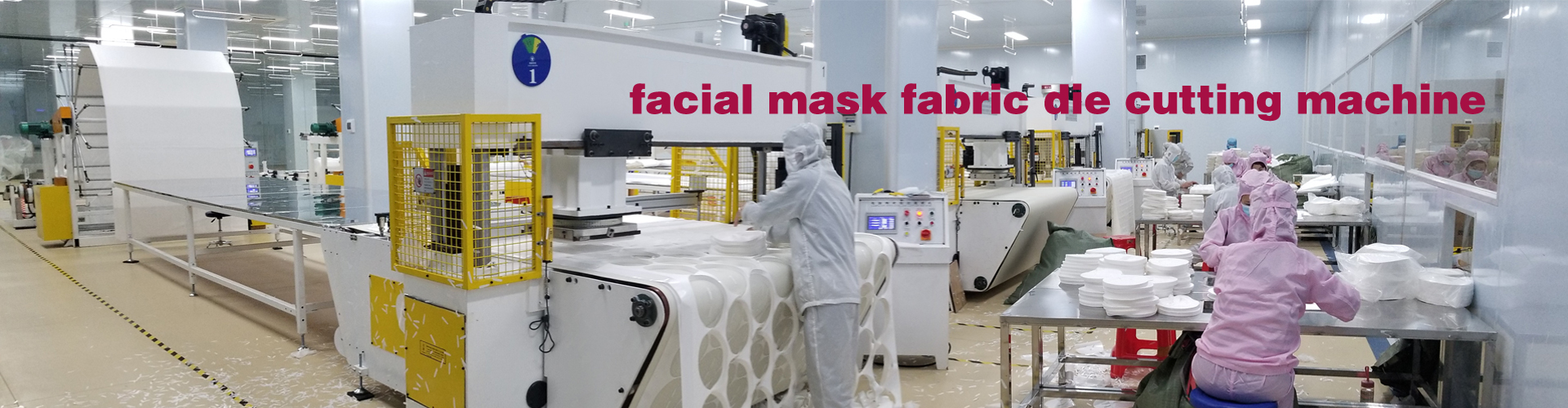
Double-station vs Single-station Automatic Die Cutting Machine – Productivity Comparison Brief Overview
Brief Overview
Compared with single-station automatic die cutting machines, the double-station model features bidirectional feeding to reduce idle waiting time and boost machine utilization. With identical tonnage and raw materials, it delivers 30%~100% higher output. In continuous mass production, its yield can reach roughly 1.5–2 times that of single-station equipment. Single-station machines occupy less floor space and cost lower, suitable for small-batch & multi-variety production.
Five Core Selling Points
- Double-station parallel operation: Material loading/unloading runs simultaneously with cutting. The cutting head barely idles, nearly doubling throughput.
- Simple structure of single-station machine: Lower procurement cost, smaller footprint and easier maintenance.
- Stable output for double-station model: It achieves 11–15 cutting cycles per minute in continuous mass production, over 60% higher than single-station units.
- Double-station machine supports independent production of two items: Different cutting dies can be installed on each side to minimize production changeover downtime.
- Higher flexibility of single-station machine: More cost-effective for frequent die changes and small batches without wasted workstation capacity.
Comparison Table
| Item | Single-station | Double-station |
|---|---|---|
| Productivity | 6–9 cycles/min | 11–15 cycles/min |
| Output Increase | Baseline | +60%~90% |
| Workstation | Single workstation | Alternating dual workstations |
| Idle Waiting Time | High | Extremely low |
| Best Application | Small-batch, multi-variety production | Mass & continuous production |
| Floor Space | Compact | 35%~60% larger |
| Investment Cost | Low | 35%~70% higher |
FAQ
Q1: Is the double-station automatic die cutting machine always faster?
Not necessarily. Its advantages stem from continuous feeding and eliminated waiting time. If order volume is low and material changeovers happen frequently, the efficiency gain cannot be fully realized.
Q2: Will the double-station cutting machine sacrifice cutting precision?
No. Premium units adopt dual hydraulic cylinders, four-post guiding and balance control to guarantee uniform pressure. Bilateral feeding only lifts efficiency without compromising cutting accuracy.
Q3: What materials suit double-station automatic die cutting machines?
It fits soft non-metallic materials such as foam, EVA, rubber and automotive interior parts. Select proper machine tonnage according to material thickness and hardness.
Q4: How much extra investment is required for double-station machines?
The double-station structure, feeding system and control system are more sophisticated, leading to higher purchasing cost. Nevertheless, mass-production users enjoy shorter payback periods thanks to higher output and lower labor expenses.
Q5: How to choose between single-station and double-station models?
The primary judging criterion is daily production volume. Select double-station equipment for stable large daily output; pick single-station machines if you run variable orders with frequent product switching.
Q6: Why does the double-station machine achieve higher efficiency?
① Eliminate feeding waiting: Single-station equipment waits for feeding after each cut. The double-station model allows material preparation on the opposite side for uninterrupted cutting cycles.
② Reduce auxiliary labor work: The auto feeding system minimizes manual material handling, positioning and waiting, ideal for long-hour continuous manufacturing. Premium four-post balanced dual-cylinder designs ensure stable cutting pressure on both stations.
③ Improve equipment utilization: For production lines running 8–12 hours daily, less downtime cuts capacity loss, generating remarkable long-term productivity gains.