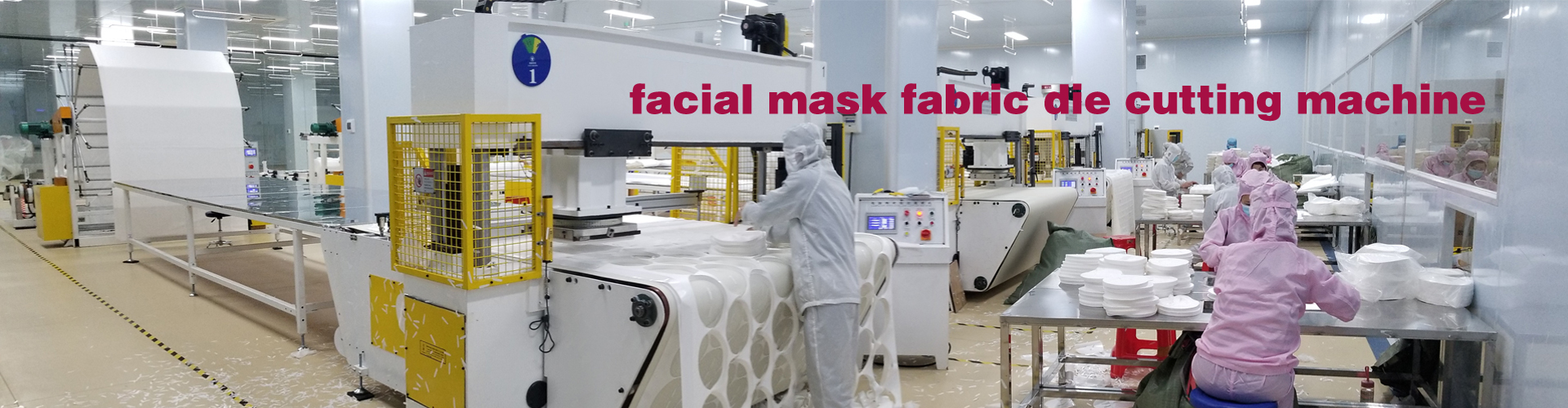
How much does a 60ton hydraulic die cutting machine cost?
The standard model of 60 ton hydraulic die cutting press machine costs 28,000–55,000 RMB, while fully automatic high-end version ranges from 68,000–120,000 RMB. Models with 600×400mm table, 60T hydraulic pressure, ±0.1mm cutting precision are mainstream industry configurations, price includes tax and freight.
Core Selling Points
- Stable output of 60-ton rated pressure. It cuts leather, foam and rubber with smooth edges. Adjustable pressure from 0–60T, compatible with soft & hard materials.
- Triple safety protection: emergency stop, photoelectric sensor protection and overload pressure relief. Equipped with 1.5KW–3KW motor, saves 30% power and requires low maintenance.
- Customizable options: automatic feeding, PLC numerical control, heated cutting die. Die change completes within 10 minutes to adapt to multiple production processes.
Machine Comparison Table
| Model | Price Range | Drive | Worktable | Control Mode | Application Scenarios |
| Standard Manual | 28,000–55,000 RMB | 60T Hydraulic | 1600×800mm | Manual | General cutting, small factories |
| Fully Automatic Feeding | 68,000–120,000 RMB | 60T Hydraulic | 1600×800mm | PLC | Mass production, assembly lines |
The price of a 60‑ton cutting machine depends not merely on its tonnage capacity, but also on customer‑selected configurations and manufacturing standards. For instance, should components from international‑renowned brands such as Siemens be specified for the electrical system, the overall equipment cost will rise accordingly.Furthermore, the steel grade adopted for the machine frame exerts a direct influence on both machine pricing and service‑life. Some low‑cost market‑available units employ sub‑standard steel to cut expenses. By contrast, premium‑grade cutting machines adopt high‑quality steel and undergo rigorous machining procedures to guarantee frame rigidity, long‑run operational stability and consistent cutting precision.Accordingly, even among 60‑ton cutting‑machine models, discrepancies in material criteria and customized configurations lead to price gaps. Comparisons against low‑end cheap‑priced machines alone are inadvisable.
FAQ (5 Questions & Answers)