What Materials Can a Four-Column Hydraulic Cutting Machine Process?
A four-column hydraulic cutting machine, with its advantage of uniform pressure distribution, can cut various soft non-metallic materials such as leather, sponge foam, fabric, rubber, and automotive interior materials. This article covers suitable materials, industry applications, and tonnage selection tips, helping you understand what materials can be processed and which materials cannot be cut.
A four-column hydraulic cutting machine, also known as a four-column hydraulic die cutting machine, is widely used in leather products, packaging, automotive interiors, footwear, and textile processing factories. Compared with swing-arm cutting machines, the four-column structure provides balanced pressure distribution across the working table, preventing problems such as uneven edges and inconsistent cutting depth when processing materials of different thicknesses. It supports both single-layer precision cutting and multi-layer stacking for high-volume production.
For many buyers, the first question when selecting equipment is: What materials can a four-column hydraulic cutting machine process? What tonnage should be selected for different materials? This article categorizes the compatible materials, explains their applications, and highlights processing limitations.
1. Leather Materials (The Main Application Field)
Leather cutting is one of the most common applications of four-column hydraulic cutting machines. Bag manufacturers, shoe factories, belt producers, and automotive leather workshops widely use this equipment. The evenly distributed pressure from the four-column structure helps prevent uneven edges and tearing during leather cutting.
2. Foam, Sponge, and Rubber Foam Materials (The Widest Application Range)
Foam materials are soft and available in various thicknesses, from thin sheets to high-density blocks. They are widely used in packaging, automotive, and household product industries.
3. Fabrics, Nonwoven Fabrics, and Textile Materials
Fabric materials are lightweight and easy to shift during cutting. The stable hydraulic pressure of a four-column machine ensures consistent cutting dimensions, making it suitable for garment, hat, and plush toy production.
4. Rubber and Sealing Gasket Materials
Rubber materials have strong elasticity and require stable pressure to achieve clean cutting without sticking. Small and medium-sized gasket manufacturers commonly use four-column hydraulic machines for rubber processing.
5. Soft Plastic Sheets and Board Materials
Only soft plastic sheet materials are suitable. Hard and thick plastic plates cannot be processed.
6. Paper and Packaging Materials
The packaging and creative product industries have high demand for clean paper cutting. Four-column hydraulic machines can cut paper materials with smooth edges and minimal deformation.
7. Complete Automotive Interior Composite Materials
Automotive interiors often consist of multiple layers and composite structures. Large-tonnage four-column machines are designed for these applications.
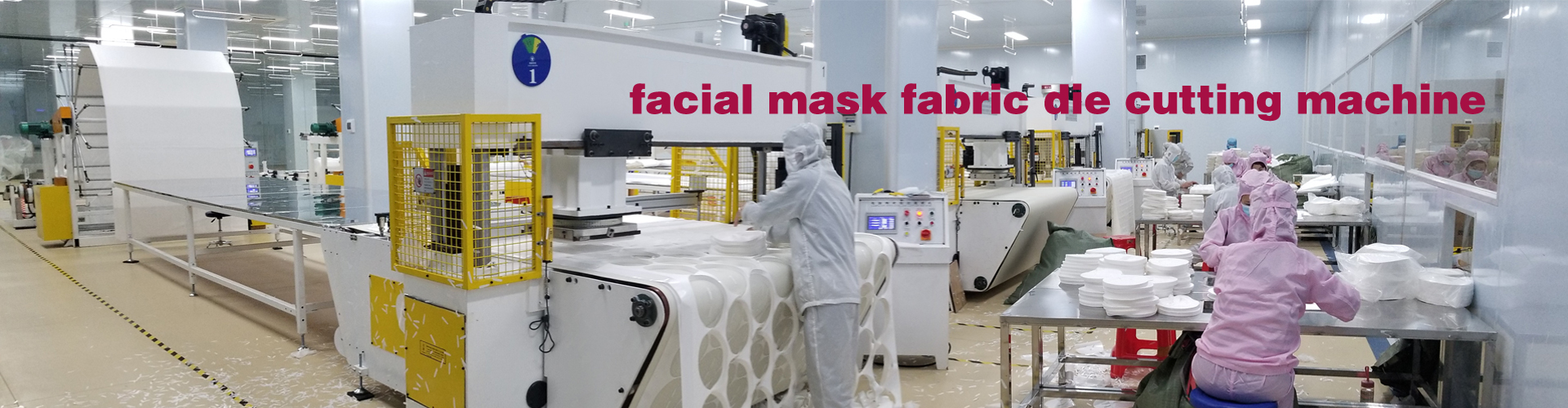
8. Medical and Cosmetic Soft Consumable Materials
Nonwoven medical materials require high cutting accuracy and clean edges without debris.
Conclusion
Overall, a four-column hydraulic cutting machine is mainly designed for sheet-like flexible and semi-rigid non-metallic materials. With advantages such as uniform pressure distribution, high cutting accuracy, and stable operation, it is widely used in footwear, leather goods, automotive interiors, packaging, textiles, sealing parts, and many other industries.
Choosing the correct tonnage based on material thickness, hardness, and stacking layers allows manufacturers to achieve long-term stable production while reducing cutting defects and improving efficiency.